deep learning
-
XLNet Fine-Tuning Tutorial with PyTorch
Another one! This is nearly the same as the BERT fine-tuning post but uses the updated huggingface library. (There are also a few differences in preprocessing XLNet requires.)
-
BERT Fine-Tuning Tutorial with PyTorch
Here’s another post I co-authored with Chris McCormick on how to quickly and easily create a SOTA text classifier by fine-tuning BERT in PyTorch. This was created when BERT was pretty new and exciting, but the tooling for it was quite bad. Huggingface hosted the model, but documentation was very poor. As a result of…
-
BERT Word Embeddings Tutorial
Check out the post I co-authored with Chris McCormick on BERT Word Embeddings here. We take an in-depth look at the word embeddings produced by BERT, show you how to create your own in a Google Colab notebook, and tips on how to implement and use these embeddings in your production pipeline. This was created…
-
DropConnect Implementation in Python and TensorFlow
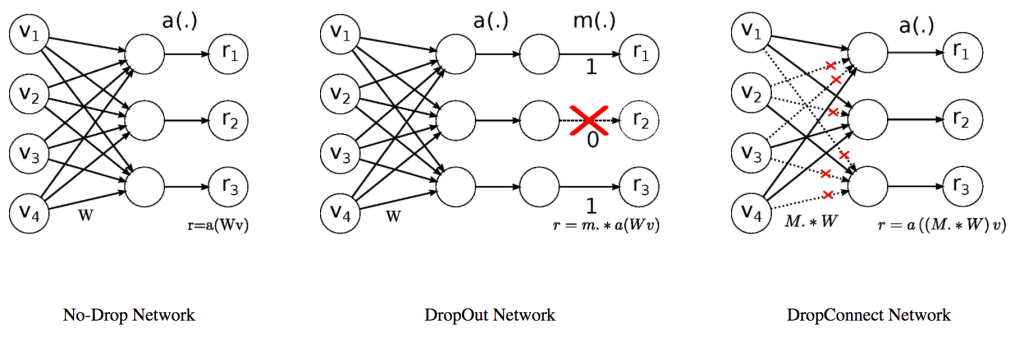
I wouldn’t expect DropConnect to appear in TensorFlow, Keras, or Theano since, as far as I know, it’s used pretty rarely and doesn’t seem as well-studied or demonstrably more useful than its cousin, Dropout. However, there don’t seem to be any implementations out there, so I’ll provide a few ways of doing so.
-
Style Transfer with Tensorflow
“A Neural Algorithm of Artistic Style” is an accessible and intriguing paper about the distinction and separability of image content and image style using convolutional neural networks (CNNs). In this post we’ll explain the paper and then run a few of our own experiments. To begin, consider van Gogh’s “The Starry Night”:

-
Building a Recurrent Neural Network to Generate Novel Text
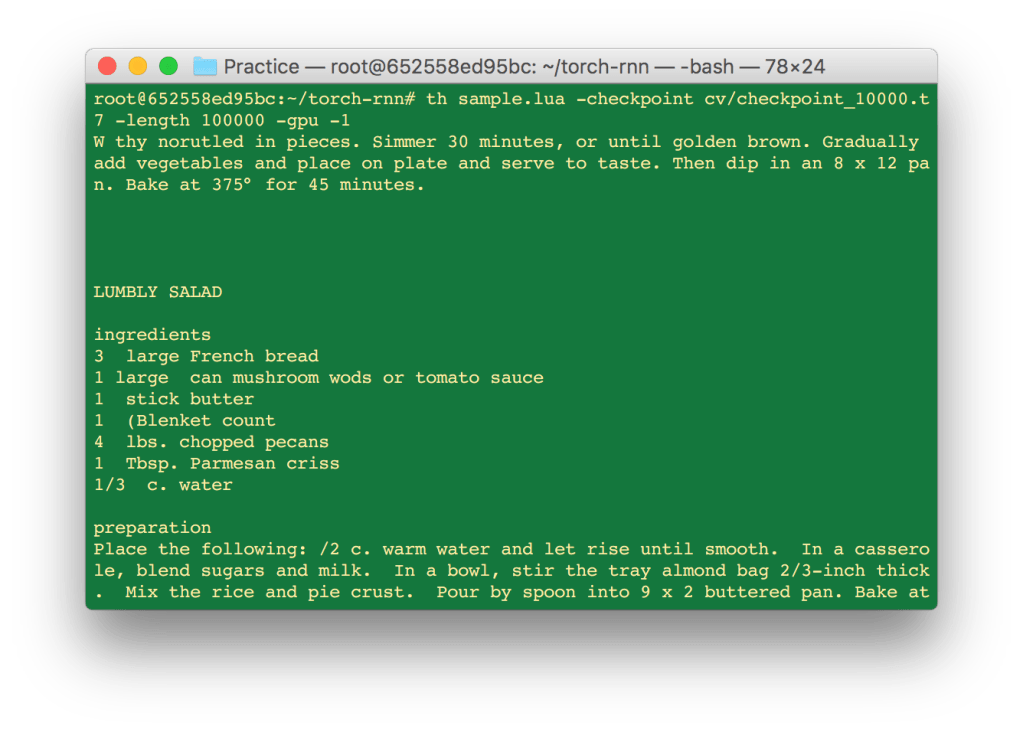
Introduction The purpose of this quick tutorial is to get you a very big, very useful neural network up and running in just a few hours. The goal is that anyone with a computer, some free time, and little-to-no knowledge of what neural networks are or how they work can easily begin playing with this…
 Nick Ryan